





Nanomaterials market
Nanomaterial are defined as materials with external dimension in nanoscale size that range from about 1-100 nm, or having a surface structure or internal structure in the nanoscale.
Nanomaterials which are naturally occurring, such as volcanic ash, soot from forest fires etc., are physically and chemically heterogeneous, and are often known as ‘ultrafine particles’. Engineered nanomaterials are produced and designed to have specific physical and chemical properties for a particular purpose. Nanomaterials are widely used in products like batteries, coatings, anti-bacterial clothing etc.
The global nanomaterials market was valued at USD 7.3 billion in 2016 and is expected to reach USD 16.8 billion in 2022, growing at a CAGR of 15.5%.
The global nanomaterials market is segmented into type, application, and region.
The type segmentation includes; metal oxides, metals, chemicals and polymers, and others. The chemical and polymers segment is the main application segment due to its wide applications in nanopharmaceuticals, liposomes as well as various other chemicals and polymers.
The application segments include; construction, chemical products, packaging, consumer goods, electrical and electronics, energy, healthcare, transportation and others. The chemical products segment accounts for the largest market share. The healthcare segment is anticipated to emerge as the fastest growing in coming years.
Globally, the nanomaterials market is segmented as; North America, Europe, Asia Pacific, Latin America and Middle East & Africa. North America was the dominant region in 2016 and is likely to retain a high CAGR over the forecast period due to the extensive use of nanotubes in industries such as; electronics, chemical products and pharmaceuticals. Europe has a significant market share. The Asia Pacific is expected to be the fastest growing region due to the demand from emerging countries such as India and China.
Some of the key players operating in the global nanomaterials market include; BASF, Evonik Industries, Covestro, Altair Nanotechnologies Inc., EMFUTUR Technologies and SkySpring Nanomaterials among others.
[edit] Find out more
[edit] Related articles on Designing Buildings Wiki
Featured articles
Check out some of the best features and news from Designing Buildings as well as key stories from around the web.
Rethinking passive fire protection in design

PFP demands the same level of design rigour as structure or services.

38% of Gen Zs feel safe when a fire door is wedged open.
Stunning images from around the world

Shortlist for CIOB’s Art of Building photography competition.

Guidance for conversion of traditional pre-1919 stone buildings.
Industrial heritage in the Ruhr

A marked difference to the fate of industrial landscapes in the UK.

Communities will be able to build their own clean energy.
Why diversity and inclusion matters for SMEs

CIOB’s D&I Charter shows how practical changes can support long-term growth.
Cut electricity bills to power growth

Coalition sends joint letter to the Chancellor.

Gasholders: a history in pictures. Book review.
Recognition, influence and growth

SocEnv identifies three strategic pillars in new strategy to 2045.
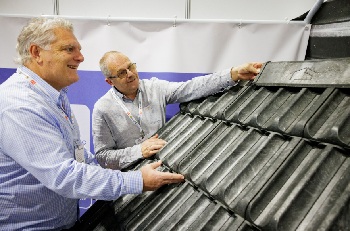
Discover the future of roofing, cladding and insulation.

New guidance for professional practice, cultural change and regulation in social housing.